
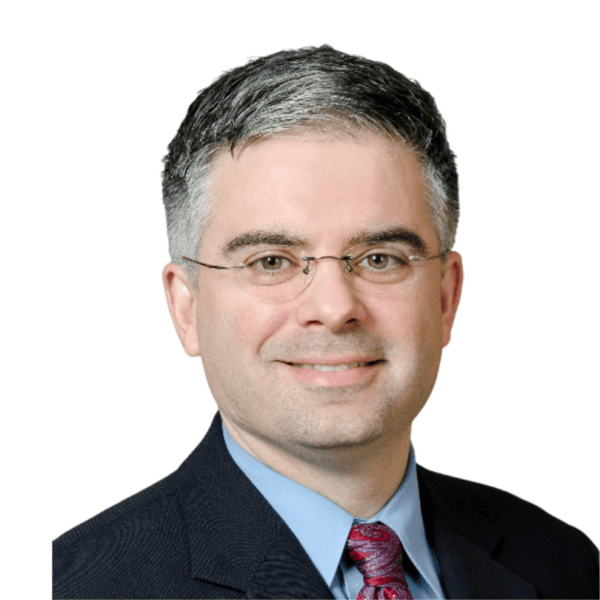
Member Spotlight
Oregon Health & Science University
- Portland, OR
- Member Since 2018
Q/A
Dr. Andrei Sdrulla brings a unique perspective to neuromodulation through his combined focus on spinal cord stimulation and pain neurophysiology. His work bridges laboratory research and patient care, with a particular interest in understanding how spinal cord stimulation influences neural circuits within the dorsal horn and how these insights can reshape pain treatment strategies. Alongside his research, Dr. Sdrulla values the opportunity to partner with patients and their families to thoughtfully apply neuromodulation and other therapies to reduce pain and improve daily functioning. His interest in neuromodulation took shape during research training at Johns Hopkins University School of Medicine, where early investigative work laid the foundation for his career. A NANS member since 2018, Dr. Sdrulla contributes to the field through service on the CME and Guidelines Committees and as part of the SCS Guidelines initiative.
Areas of expertise
Spinal cord stimulation, pain neurophysiology
Why I enjoy what I do
I get satisfaction from conducting basic research that advances our understanding of how spinal cord stimulation modulates neuronal circuits in the superficial dorsal horn, because uncovering these mechanisms has the potential to transform how we treat pain. I also find it meaningful to work directly with patients and their families to determine the best use of neuromodulation and other treatment strategies to improve quality of life and alleviate pain. How I became interested in neuromodulation: While conducting research on the mechanisms of spinal cord stimulation in the lab of Drs. Raj Raja and Yun Guan at Johns Hopkins University School of Medicine.
Why I am a Member of NANS
It pulls together all the key pieces of neuromodulation, from basic and translational science to how these therapies are actually used in the clinic across many different conditions.
My favorite book
The book ‘Autobiography of a Transgender Scientist’ by Dr. Ben Barres. I had the honor of working with Dr. Barres during my undergraduate years at Stanford University.
Words to live by
“Work substitutes for talent, or better…it creates talent.”
Dr. Ramon Y Cajal, Spanish neuroscientist and histopathologist.