
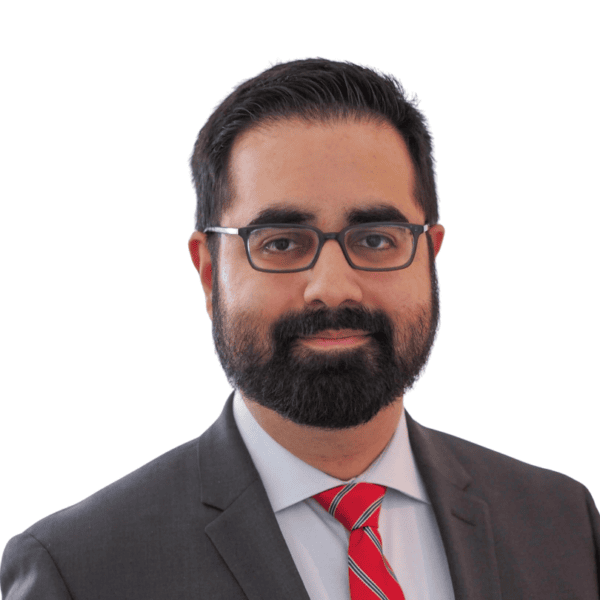
Member Spotlight
University of Minnesota
Q/A
Dr. Mihir Joshi is an Interventional Pain Physician and Assistant Professor of PM&R at the University of Minnesota. His clinical and research expertise spans spine care, interventional pain management, and neuromodulation. Passionate about the intersection of medicine and technology, Dr. Joshi has a proven track record in leading multi-site quality improvement initiatives and presenting research at national and international conferences.
Areas of Expertise:
Spine care, Interventional Pain Management, and Neuromodulation.
Why I enjoy what I do:
It’s great working with patients to help them manage their pain and let them return to doing the things they love. As a physiatrist I always look to improving function and removing barriers to independence. When we can achieve that for a patient through a multi-modal treatment strategy, it’s a great thing.
How I became interested in neuromodulation:
I was introduced to neuromodulation by my mentor and fellow NANS veteran Dr. Brian Bruel during my training in Houston, TX. His passion and enthusiasm for neuromodulation – both electrical and chemical – drove me to increase my knowledge about the tools we can offer our patients.
The best thing about NANS:
NANS has been, for decades, the major society driving the conversation forward on neuromodulation and advanced interventional techniques for pain management and continues to be a strong advocate for increasing patients’ access to these procedures and treatment options.
My favorite movie:
My favorite movie is 3:10 to Yuma, I love Westerns.
Advice to those new to the field:
Always be curious, always be learning. There’s always something new you could be doing, or a way you could be doing things better. If you’re not looking to move forward, you’re by default going backwards.